
Noticed pest activity around your home this November? Ask JP for a free quote.
Get a free quoteQuick answer
What pests should I watch for in a Western Sydney summer?
Male funnel-web spiders wander from November to April, especially after rain then warm weather. Redbacks hide in sheds, under steps and around pools. Warm, humid evenings bring flying termites, and leaks or damp timber attract termites to your home.
November is here, the weather is warming up, and a few unwanted visitors are starting to make themselves known. I'm JP from PestGuard Sydney. I look after homes across Western and South-West Sydney, including Narellan, Camden, Campbelltown, Liverpool, Blacktown, Penrith and Oran Park. Summer brings more pest activity, but not everything you find around the house is cause for alarm. Here's what I'd keep an eye on over the next few months and what you can do about it.
Are funnel-web spiders on the move in summer?
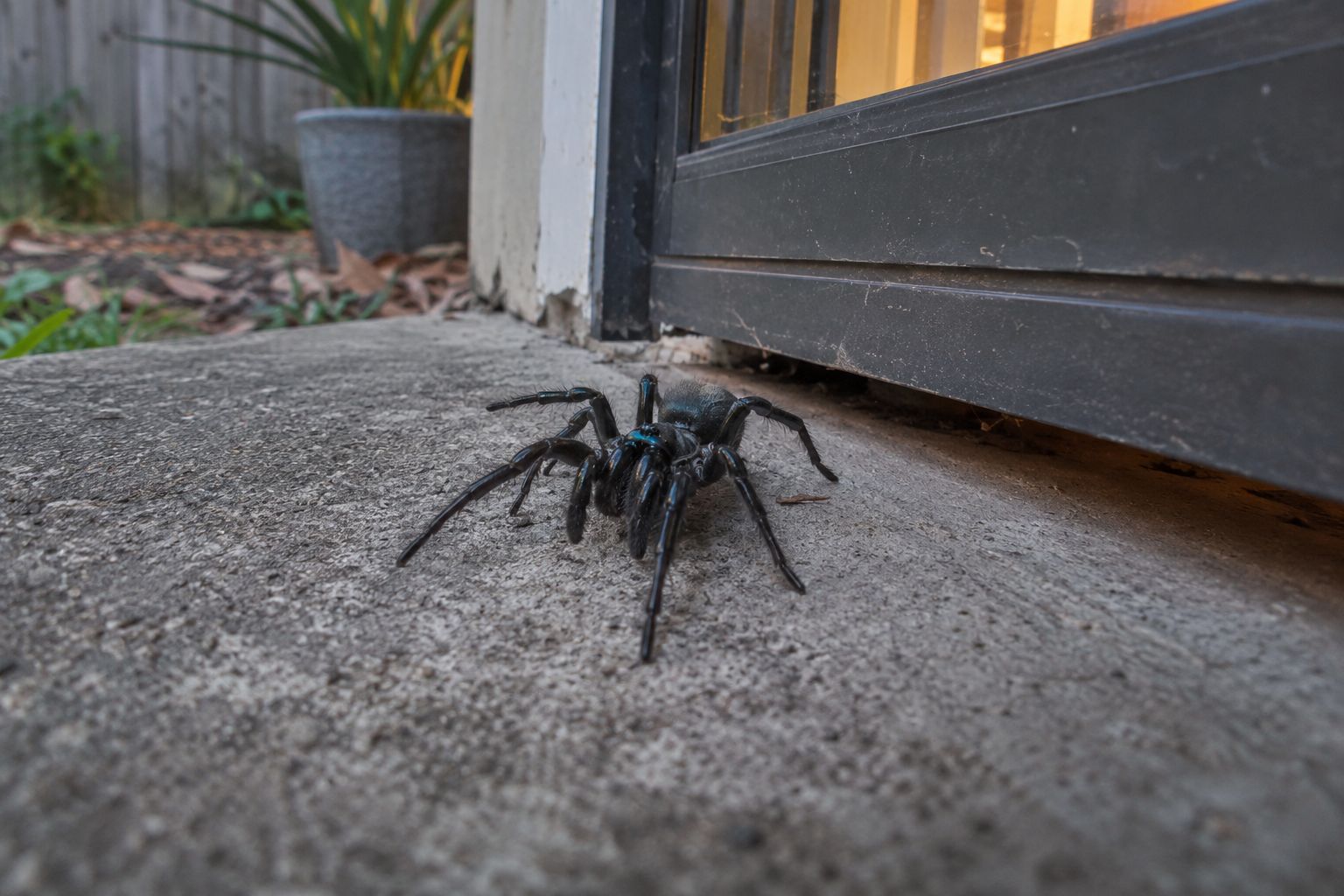
From November through to April, male Sydney funnel-web spiders leave their burrows at night looking for females. They're more likely to be moving around after rain followed by warm weather.
During this time, males can wander into garages and homes, particularly where there are gaps under doors. Houses built on concrete slabs can be especially vulnerable to this.
Now, it's worth putting things into perspective. According to the Australian Museum, the drier, flatter parts of Western Sydney and the Cumberland Plain generally have fewer funnel-web spiders than the bushier areas to Sydney's north and south. Numbers pick up again towards the Blue Mountains foothills.
So if you're in Liverpool or Blacktown, for example, you're generally less likely to come across one than someone living near bushland. But it can still happen. A few simple precautions:
- Fit weather strips or draught excluders under external doors.
- Keep a cleared area around your home.
- Check shoes and clothing left outside or on the floor before putting them on.
- Be careful around swimming pools. Funnel-web spiders can survive underwater for many hours, so one sitting at the bottom isn't necessarily dead.
Don't try to catch or handle a funnel-web. And don't rely on insecticide spraying to keep ground spiders away. The Australian Museum warns it can make them more active without actually protecting you.
The good news is that no deaths from Sydney funnel-web bites have been recorded since antivenom became available in 1981.
Where do redback spiders hide around the house?
Funnel-webs tend to get the attention, but redback spiders are another one to watch around the house. They like sheltered spots, including sheds, under steps, around swimming pools and rubbish piles. These are all places worth checking as you're getting the backyard ready for summer.
Have a look around outdoor storage areas, particularly spots you haven't touched for a while. If you're moving rubbish or cleaning out the shed, pay attention to where you're putting your hands.
There's no need to panic every time you see a spider, but don't ignore areas where redbacks might be hiding. Our spider control service targets the spots they like most.
Are flying termites a sign of infestation?
Warm, humid weather can bring termite swarms, often around dusk. These are winged termites leaving an established nest to start new colonies. People sometimes mistake them for flying ants.
One way to tell the difference is by looking at their antennae. Termites have straight antennae, while ants have elbowed antennae. Flying termites also shed their wings readily.
Finding winged termites doesn't automatically mean your house is infested, but it's worth paying attention. Here's something homeowners should know.
CSIRO surveyed more than 5,000 Australian homes and found that the age of a house was the biggest factor associated with termites being found inside. The type of building material, whether timber, brick or steel, made no real difference. So don't assume a brick home is safe from termites.
Most termite attacks start in the soil. Outside the home, CSIRO found termites most often in wood piles, trees, fences, sleepers, stumps and garden sheds. Those are good places to keep an eye on as the weather warms up. Read more in Termite Swarming Season in Sydney.
Why do moisture and damaged timber matter?
Termites are attracted to leaks and moisture. With summer approaching, it's worth checking around the house for water leaks and damp areas.
If your home has an underfloor space, adequate clearance and ventilation matter. They help reduce humidity and make it possible to inspect the area properly.
Also, keep an eye on timber around your property. In the CSIRO survey, damaged timber was the most common way people first noticed termites, followed by mud tubes. Don't ignore either.
The same survey found that treating the soil or timber was the most effective approach, while doing nothing produced the worst results. If you notice damaged timber, mud tubes or other signs that concern you, get a termite inspection rather than waiting to see what happens.
Termites aren't something I'd recommend leaving until next summer.
How do I check a pest controller's licence?
One last thing, and it's important. In NSW, pest controllers must hold a licence by law. That includes me.
Before booking anyone to carry out pest control work, ask to see their NSW EPA photo licence card. Check that the photo matches the person standing in front of you and that the licence hasn't expired. You can also search the NSW EPA's public register to check licence details.
It doesn't matter if you're booking a local operator or someone you've used before. It's a simple check worth making.
I run PestGuard Sydney myself, servicing homes across Western and South-West Sydney. If you've noticed pest activity around your home this November or you're getting ready for summer, get a free quote and ask for JP.
Summer pests in Western Sydney: frequently asked questions
When are funnel-web spiders most active in Sydney?
Male Sydney funnel-webs wander from November to April, mostly at night and especially after rain followed by warm weather.
Are there funnel-web spiders in Western Sydney?
Yes, but the Australian Museum says the drier, flatter Cumberland Plain generally has fewer than bushier areas. Numbers rise towards the Blue Mountains foothills.
How can I tell flying termites from flying ants?
Termites have straight antennae and shed their wings readily. Ants have elbowed antennae.
Are brick homes safe from termites?
No. CSIRO found building material made no real difference. The age of the house was the biggest factor.
How do I check a pest controller is licensed in NSW?
Ask to see their NSW EPA photo licence card, check the photo and expiry, and search the NSW EPA public register.
Sources and current advice
Quick takeaways
- Male funnel-webs wander from November to April, especially after rain then warm weather
- Seal gaps under doors and check shoes left outside
- Redbacks hide in sheds, under steps, around pools and rubbish piles
- Brick homes are not safe from termites; house age matters most
- Fix leaks and act on damaged timber or mud tubes
- Always check a pest controller's NSW EPA licence
Related services
- 5.0 from 100+ Google reviews
- 6-month warranty
- Licensed & insured
Keep reading
Seasonal
El Niño Summer 2026: What a Hot Summer Means for Pests in Western Sydney
BOM expects a strong El Niño and a hotter than average summer. Here is how the heat changes ants, cockroaches, termites and spiders around Western Sydney homes.
Read guideTermites
Termite Swarming Season in Sydney: What to Watch For
Flying termites after a warm, humid evening are not a random event, they are a colony telling you it is established nearby. Here is what that means for Sydney homes.
Read guideSeasonal
Spring Pest Activity Across Western & South-West Sydney
Every spring the same call comes in: ants overnight, webs on the eaves, wasps at the back door. Here's why it happens all at once, and how to get ahead of it.
Read guide